Customer Story
What took three people all day now takes ten minutes.
PrimeTech spent years drowning in signed paperwork. A tailor-made AI system fixed it in under a month.

Every delivery PrimeTech makes has to be backed by paper: a tax invoice and a delivery note, both signed by hand when the goods arrive. If a customer disputes a bill six months down the line, someone has to produce that exact signed copy. It's not optional. It's how the business protects itself when something goes wrong.
For years that meant someone had to go through every scanned batch by hand: work out which document was which, match it to the right customer and order, then file it somewhere it could be found again later. On an average day that was 400 to 500 documents. PrimeTech had almost three people tied up with it, and the backlog still grew faster than they could clear it. Documents got mismatched. Some went missing entirely. It wasn't really what anyone had been hired to do.
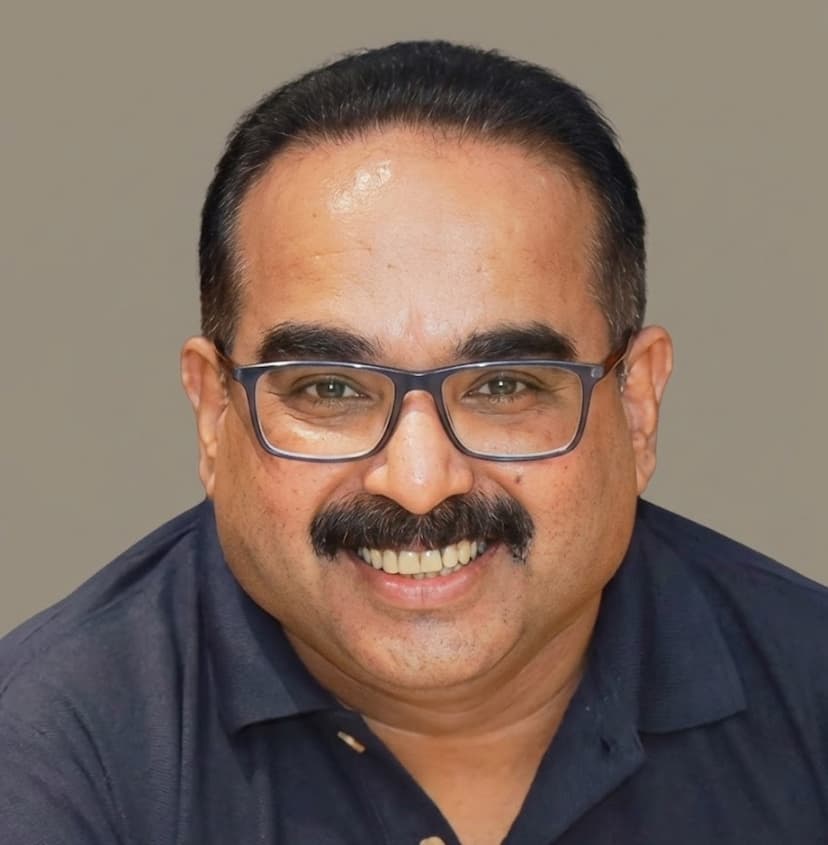
“We had almost three people tied up with filing paper, and we were still behind.
Tell us about it and get a free audit of what agentic AI could do for your business.
Sajid Kayinoth, the company's executive director, brought the problem to VisionParser directly: too much paper, too few hands, and no room for mistakes once a dispute actually landed. Instead of adapting some general-purpose OCR tool, VisionParser built a system around how PrimeTech's documents actually look and how the business actually runs, and had it live inside a month.
The system now takes a scanned batch and handles the whole job. It splits the file into individual invoices and delivery notes, works out which is which, and reads off the numbers, dates and customer details using a model trained specifically on PrimeTech's paperwork. Every number gets checked twice: once against a close-up crop, and once against PrimeTech's own records, so a misread digit gets caught rather than filed away as fact. Invoices are linked back to the delivery note they belong to automatically. Once something is in the system, anyone can pull it up by invoice number, delivery note number, customer, or date.
Filing at PrimeTech is now a ten-minute job. Someone scans the day's signed documents in the morning, and the system does the rest. The three people who used to spend their days on paperwork are doing other work now, and if a dispute comes up eight months from now, whoever's on shift can find the right signed document in seconds instead of digging through a cabinet.
It's a small, unglamorous problem, and it's one that most logistics and distribution businesses in the region deal with quietly, without ever really talking about it. That's exactly the kind of problem worth building for: not replacing anyone's judgment, just taking the repetitive, error-prone part of the job off their plate.